Compassionate Home Care Services: Looking after Loved Ones in Their Own Space
Compassionate home care services provide critical assistance for individuals wanting to stay in their comfortable environments. These services address diverse needs, ranging from daily assistance to specialized medical care. By prioritizing emotional well-being and preserving dignity, caregivers foster meaningful connections with family. Yet, many remain unaware of explore the facts the complete range of benefits that home care can deliver. Understanding these aspects is vital for determining the best choices about care options. What lies ahead in this investigation?
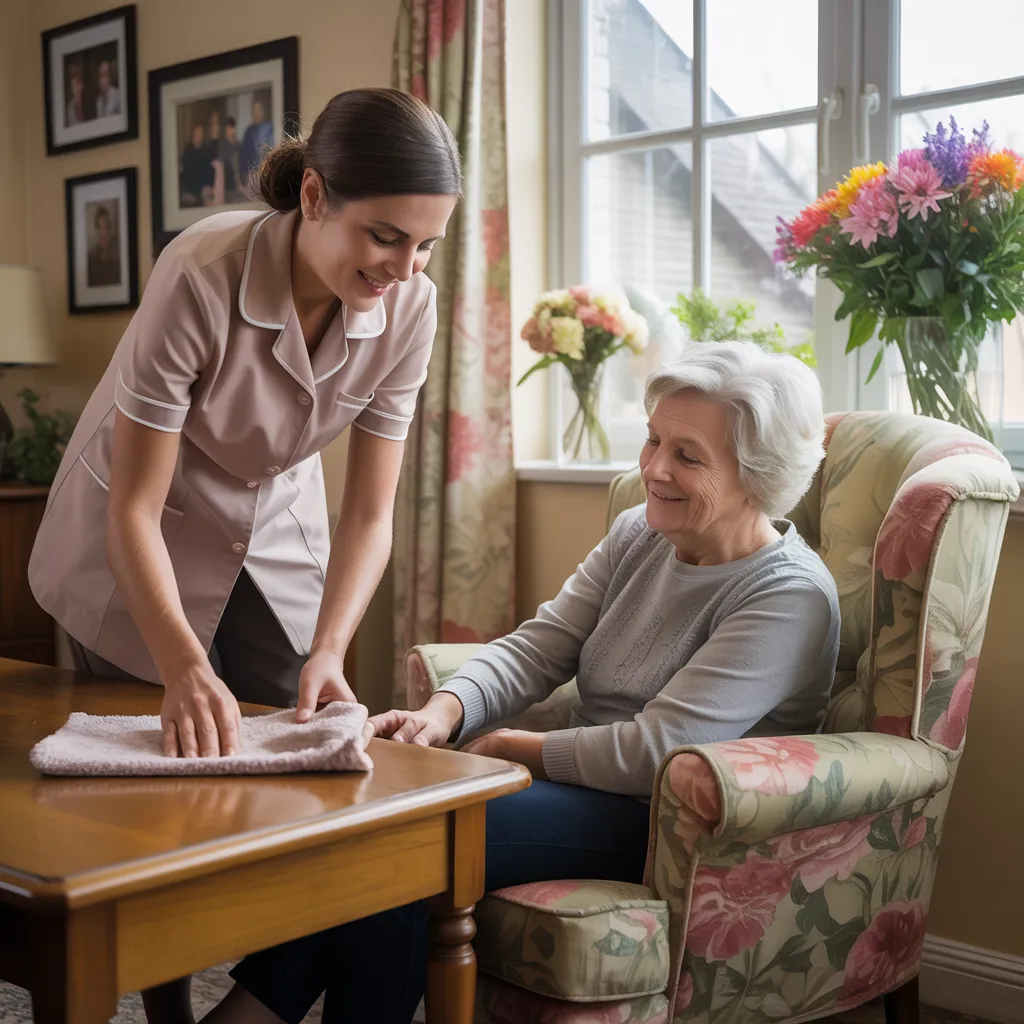
Essential Details About Home Care Solutions
Home care services play an vital role in supporting individuals who require assistance due to getting older, illness, or disability. These services encompass a range of personalized care choices, including medical and non-medical support tailored to individual needs. Care can include help with daily activities such as bathing, dressing, and meal preparation, as well as skilled nursing services like medication management and physical therapy.
Families often look for home care to enable their loved ones to remain in familiar surroundings while receiving necessary support. It can offer substantial comfort for family caregivers, who may have difficulty to juggle work and personal responsibilities. Understanding the different kinds of home care services available is essential for making informed decisions. Assessing the particular requirements of the individual and exploring local service providers can help families select the right care plan, guaranteeing that their loved ones get compassionate and effective support at home.
Primary Perks of Home Care for Older Adults
Home care offerings present noteworthy advantages for seniors, stressing their agency and honor. Custom care plans guarantee that individual needs are attended to, promoting a elevated standard of life. Additionally, obtaining backing in a accustomed environment can enhance psychological satisfaction and ease.
Improved Personal Freedom And Dignity
Many seniors encounter a craving for autonomy as they age, making greater independence a important aspect of home care services. By obtaining care in their familiar surroundings, seniors can maintain control over their daily routines and personal choices. This approach encourages a feeling of respect, allowing them to engage in activities that boost well-being and self-esteem. Home care services allow seniors to engage in decision-making about their care while providing aid with routine tasks, ensuring they can live as independently as possible. Additionally, the companionship of a care worker can diminish feelings of isolation, enabling seniors to keep social connections and pursue hobbies. Ultimately, home care services boost both self-reliance and respect, benefiting to seniors' overall quality of life.
Personalized Medical Plans
Personalized care plans play a vital role in maximizing the efficacy of home care services for seniors, as they address individual needs and preferences. These tailored plans consider each senior's distinct medical history, lifestyle choices, and personal goals, ensuring that care is both relevant and appropriate. By focusing on specific requirements, caregivers can provide targeted support, improving the quality of life for seniors. Additionally, personalized care plans facilitate better communication between caregivers and families, fostering a cooperative approach to care. This alignment not only builds trust but also empowers seniors to take an active role in their own care journey. Fundamentally, personalized care plans are essential in delivering caring, effective home care tailored to each individual’s circumstances.
Acquainted Atmosphere Merits
While adapting to new surroundings can be difficult for seniors, getting support in a recognizable environment offers abundant advantages. Remaining in their own homes allows seniors to maintain a sense of autonomy and control over their daily routines. Comfortable settings can minimize anxiety and confusion, fostering a sense of security and comfort. Additionally, home care allows seniors to stay close to beloved memories and personal belongings, which can improve emotional well-being. Social ties are also strengthened, as they can easily receive visits from family and friends. Also, caregivers can customize support to fit their unique environment, ensuring that assistance aligns with the senior's specific needs and preferences. In summary, home care promotes a holistic approach to well-being in a comforting space.

Home Care Service Classifications
Home care services include a variety of types designed to address varied individual needs. These services can broadly be categorized into non-medical and medical care. Non-medical home care typically includes support with daily living activities, such as personal hygiene, meal preparation, and companionship. Caregivers may also help with light housekeeping and errands, creating a comfortable and supportive environment.
On the flip side, at-home healthcare features skilled services furnished by licensed professionals. This may feature direct nursing support, therapeutic exercises, and pharmaceutical oversight, suited to individuals with specific health conditions. Besides, specialized services like symptom management care assist sufferers of chronic illnesses, prioritizing comfort and quality of life.
Deciding on the Correct Home Care Agency
How can one assure they select the most suitable home care provider? The approach begins with establishing specific requirements, as requirements can differ substantially among individuals. Engaging in detailed study is essential; prospective customers should investigate numerous agencies and their services. Internet reviews and feedback can provide perspectives into the caliber of care rendered.
Additionally, interviews with potential caregivers are vital. These interactions permit families to assess compatibility, examine their approach to communication, and establish care approaches. It is also vital to ask about the qualifications and training of care providers, making sure they possess the necessary abilities and certifications.
Moreover, grasping the monetary elements, including payment options and insurance protection, is important to avoid unexpected expenses. Finally, confidence and comfort are paramount; families should be confident that their loved ones will receive compassionate, reliable care in their own homes.
Standard Falsehoods Concerning Home Care Support
Many people hold misunderstandings about home care services, particularly regarding their price and range. It is often believed that home care is very costly and provides limited services. Addressing these myths is crucial for a clearer understanding of what home care can provide.
Home-Based Care Comes High Costs
Debunking the belief that home care services are unreasonably costly uncovers a more sophisticated reality. While some may consider the costs as steep, it's essential to factor in the value offered. Home care can often be more economical than other options like nursing homes or assisted living facilities, especially when factoring in the costs involved in relocation and supplementary services. In addition, many families find that home care maintains their loved ones' self-reliance, potentially delaying the need for more advanced care. Insurance policies, state programs, and aid options can also lower expenses. Understanding the full scope benefits of home care can reshape views, making it a practical option for those seeking quality support in a comfortable environment.
Limited Services Offered
simple activities
How Loved Ones Can Participate in Home Care
Participating in home care calls for families to take an active role in their loved one's condition. This involvement can be seen through regular communication and collaboration with caregivers to guarantee that care plans align with the individual’s needs. Families should be involved in daily routines, assisting meals, medication management, and personal care tasks when possible.
In addition, families can foster a supportive environment by encouraging social interactions and participating in community activities as a group. Establishing a consistent timetable for visits can assist in tracking the family member's progress and adjust care strategies as necessary.
Additionally, relatives are motivated to educate themselves about specific health conditions, which can enhance their ability to provide educated assistance. By remaining engaged, relatives not only aid in their family member's bodily condition but also promote emotional well-being, forming a supportive environment that cultivates self-reliance and dignity in the home care setting.
Inspiring Tales in Home Care
While the hurdles of home care can be significant, many families have uncovered outstanding success accounts that illustrate its likely benefits. One such story involves the Johnson family, who effectively established in-home care for their elderly mother, enabling her to remain in her treasured environment. The dedicated care assistant supplied not only hands-on support but also companionship, which greatly improved her emotional well-being.
Another inspiring example is the Garcia family, who encountered the challenging responsibility of managing their son's complex medical needs at home. With the support of skilled home care professionals, they built a caring environment that encouraged independence and growth. Their son thrived, achieving milestones previously thought impossible.
These inspiring examples demonstrate that, with the right support, home care can improve the quality of life for both individuals and loved ones, building meaningful moments while maintaining respect and ease in known environments.
Frequently Requested Questions
What Are the Billing Methods for Residential Care Services?
People can finance home care services through individual funds, long-term care insurance, Medicaid, or Medicare, subject to eligibility. Reviewing various funding options guarantees that families obtain fitting financial solutions for necessary care support.
Are Pets Adaptable with Home Care Services?
Home care services can regularly accommodate pets, contingent upon the provider's policies. It's critical for loved ones to address particular requirements and agreements with the provider to maintain a comfortable environment for both the individual and their animals.
What Abilities Do Care Professionals Typically Have?
Caregivers typically possess certifications in nursing or personal care, training in emergency response and cardiopulmonary resuscitation, and often have experience in senior care. Many also undergo background checks and obtain customized instruction to meet individual client needs.
What Techniques Assist in Handling Care Provider Staff Changes?
To reduce caregiver staff loss, one should concentrate on strengthening interactions, offering market-rate wages, providing regular training, and creating a supportive work environment. These strategies can strengthen retention and encourage caregivers to remain engaged long-term.
Is Home Care Be Provided to Younger Adults?
Yes, domiciliary care is obtainable for younger individuals. Many service providers supply specialized services to fulfill the particular needs of this demographic, providing support for multiple ailments, encompassing disabilities, chronic illnesses, or recovery from surgery.